Showing posts with label culture. Show all posts

Thursday, April 11, 2013

Sociology of Arts

Dhiyanesh Ravichandran.

Being a student of Sociology, I habitually tend to disagree with people speaking about some specific subject commonsensically. I don't say that the commonsense is absolutely not sociological, but many of the everyday common ideas are biased and unscientific. A recent discussion with one of my friend about 'Arts' and paintings gave me some space to retrospect my understanding about them and induced me to look for sociological side to the arts and its relation to cultures.

A dictionary defines  'Art' as "the quality, procustion, expression, or realm of what is beautiful or of more than ordinary significance; the class of object subject to aesthetic criteria" (The Random House College Dictionary, 1982, p.76). Drawing on the same dictionary, 'Aesthetics' involves "...the qualities perceived in the works of art...; the mind and emotions in relation to the sense of beauty" (p.22). However, it is possible for a work of art to attract our attention, direct our thoughts, and have more than ordinary significance with out being judged as beautiful by most people who experience that creation. Pablo Picasso's "Guernica", a famous painting of the Spanish civil war, comes to our mind as a scene, while not beautiful, is indisputably moving, thus work of art. 

Is art like religion a 'cultural universal'?  

Many cultures even lack a word for art. Yet even without such a word, people everywhere do associate an aesthetic experience -  sense of beauty, appreciation, harmony, and pleasure with objects and events having certain quality. The Bamana people of Mali have a word (like ‘art’) for something that attracts your attention, catches your eye and directs your thoughts (Ezra 1986). Among the Yoruba of Nigeria, the word for art, ona, encompasses the design made on objects, the art objects themselves and the profession of the creators of such works. For two Yoruba lineages of leather workers, Otunisona and Osiisona, the suffix-ona in their names denotes art (Adepegba 1991).
 
People in all cultures do seem to associate an aesthetic experience with certain objects and events. Experiencing art involves feelings as well as appreciation of the form. The 'arts' include the visual arts, literature (both oral and writings), music and theatre arts. These manifestations of human creativity are called as 'expressive culture'. People express themselves creatively in dance, music, song, painting, sculpture, pottery, cloth, story telling, verse, prose, drama, comedy, etc. Folk art, music and lore refers to the expressive cult of the ordinary, usually the poor and the rural people.

The arts are part of culture and aesthetic judgements depend, at least to an extent, on cultural background. The aesthetic value, which distinguishes forms of art, is defined only by culture. Sociological and anthropological definition of culture broadens the study of humanities from fine arts and elite arts to popular and folk arts and the creative expressions of the masses. Community standards judge the completeness and mastery displayed in a work of art. Standards may be maintained informally in society or by specialists such as art critics. Myths, legends, tales and storytelling play important roles in transmitting culture and preserving traditions. 

Here comes an another grasp too. That which is aesthetically pleasing is perceived with the senses. Usually, we restrict the scope of art to something that can be either seen or heard. But many others might define art more broadly to include things that can be smelled (scents, fragrances), tasted (recipes), or touched (cloth textures).  

Is art and life the same?

Initially, the patronage of rich enabled people to become professional musicians, composers, sculptors and artists. Later, the specialist institutions such as art schools were developed to train future generations of cultural specialists. Other institutions such as theatres, art galleries, and concert halls were established to make cultural products more widely available. Culture was therefore separated or differentiated from other aspects of life. It was produced by specialists, trained in particular institutions and was consumed in specific places. This formed the basis for distinguishing between folk culture (which could be found among ordinary people) and high culture, which was the product of these specialist individuals and institutions. Culture was, thus, always differentiated from other areas of life.

There have been attempts to break down the division between high culture and everyday life. Avant-garde artists have tried to shock people out of their cultural complacency by portraying everyday objects as art. Mascel Duchamp (1917) displayed a urinal as a work of art with the title ‘Fountain’. He attributed the work to the sanitary engineer who designed the urinal. As modernity progressed, a new ‘Popular culture’ developed, which tried to integrate the aspects of everyday life into high culture arts but nothing notable here too.

Ruling Class art

May it be any society or period, the art tend to serve the ideological interest of the ruling class. The classic example would be the oil painting, the dominant medium for painters between 1500 to 1900AD. John Berger in his book ‘Ways of Seeing’ (1972) says that it came to reflect the world view of the ruling class. That period which was ultimately determined by new attitudes to property and exchange, found its visual expression in the oil painting. Oil has special characteristics that made them particularly suitable for portraying ruling class ideology. Berger says oil painting has a special ability to render the tangibility, texture, the lustre, the solidity of what it depicts. It defines the real as that which you can put your hands on. This was important because oil panting came to be primarily concerned with the depiction of wealth or property. Because of the sense of tangibility that oil painting can produce, it gave substance to the sense of ownership that the ruling class wanted to portray in their paintings. As capitalistic society developed, painting focussed more on wealth and power of the ruling class. They were able to impose their own view of the world, simply because it was very largely they who commissioned the paintings. It was more important to the buyers of the paintings that they portrayed them and their wealth in the way they wanted. 

‘Mr. and Mrs. Andrews’ by Thomas Gainsborough
Still life paintings were more obvious about possessions. They tended to portray such things as table laden with luxurious food as testament to the high living of those who commissioned them. Paintings of animals were also popular. However, they were not usual animals in the wild but livestock whose pedigree is emphasised as a proof of their value. Landscapes were used to celebrate the property of rich. Consider the case of this nineteenth century painting ‘Mr. and Mrs. Andrews’ by Gainsborough. Andrews insisted on being included in the landscape which featured land owned by them. They are land owners and their proprietary attitude towards what surrounds them is visible in their stance and their expression.

Not all the oil paintings portrayed only rich. Some that portrayed poor reflect the ruling class ideology too. Pictures of ‘low life’ such as paintings of debauched groups in taverns were popular with the growing bourgeoisie in the 16th to 19th century.  The point of such pictures, was to tell a moral tale about how the rich deserved their success while the poor had only themselves to blame for their misfortunes. Berger says that the paintings lent plausibility to a sentimental lie – namely that it was the honest and hard working who prospered and that the good-for-nothings deservedly had nothing. Some paintings were able to transcend the narrow concerns of the bourgeoisie too.

The art go on changing, although certain art forms have survived test of time for years. In today's world, a huge 'arts and leisure' industry links western and non-western art forms (selectively) in an integral network with both aesthetic and commercial dimensions. And sociological study of arts is an enchanting endeavor, charmed by the diversity for forms and aesthetic sense you find in different cultures across times. An endless journey indeed!

Wednesday, March 13, 2013

இது வீட்டு நூல், நாட்டு நூல், உலக நூல்

மு. பெரியசாமி

(இக்கட்டுரையின் தலைப்பு திருக்குறளின் பொதுமைத்தன்மைப் பற்றி திரு. வி. கலியாணசுந்தரனார் அவர்கள் கூறிய கருத்து ஆகும் )

திருக்குறள், தமிழின் மற்ற அனைத்து நூல்களையும் விட தனிப்பெருமையும் சிறப்பும் வாய்ந்த நூல் ஆகும். ஏனென்றால் சுமார் 60க்கும் மேற்பட்ட உலக மொழிகளில் மொழிபெயர்க்கப்பட்டுள்ள சிறப்புமிக்க நூல் திருக்குறள். முதன்முதலில் இலத்தீன் மொழியில் C.J. பெஸ்கி (வீரமாமுனிவர்) என்பவரால் 1730ல் திருக்குறள் மொழிபெயர்க்கப்பட்டது. அன்று முதல் இன்று வரை பலரால் பல மொழிகளில் இன்றும் மொழிபெயர்ப்பு செய்யப்பட்டு வருகின்றது.
 திருக்குறளின் பெருமையை பற்றி பேசாத தமிழறிஞர்கள் இல்லை என்றே கூறலாம். சங்க கால புலவர்களான கபிலர், நக்கீரர், ஔவையார், சீத்தலை சாத்தனார் என அப்பொழுதே இதன் சிறப்பை பலர் வியந்து பாராட்டியுள்ளனர்.

"திருக்குறள் ஒன்றே போதும் உனக்கு அறிவு உண்டாக்க; ஒழுக்கத்தை கற்பித்துக் கொடுக்க; உலக ஞானம் ஏற்பட" என்கிறார் பெரியார்.
நோபல் பரிசு பெற்ற ஆல்பர்ட் ஸ்வைட்சர் என்னும் அறிஞரோ, திருக்குறளை வாழ்வுக்குரிய அன்புநெறியை கூறும் உயர்ந்த நூல் என்றும், உயர்ந்த ஞானத்தை புகட்டும் உயர்மொழிகளின் தொகுப்பு இதுபோல் உலக இலக்கியத்தில்  இல்லை என்றும் கூறிப் போற்றியுள்ளார். இப்படி பலர் திருக்குறளைப்பற்றி கூறிய புகழுரைகளை ஒரு பெரும் நூலாகவே தொகுக்கலாம். இத்தகு புகழுக்கு மிக முக்கிய காரணம் திருக்குறளின் எளிமை மற்றும் செறிவு மிகுந்த கருத்துக்கள்தான். பழந்தமிழ் இலக்கியங்களில் தலைசிறந்த நீதி நூல் திருக்குறள் என்றால் அது மிகையாகது.

உலகப்பொதுமறை, பொய்யாமொழி, வாயுறை வாழ்த்து, முப்பால், தமிழ்மறை, என பல பெயர்களில் திருக்குறள் போற்றப்படுகிறது. இதில் விந்தை என்னவென்றால் திருக்குறள் என்பதும் அதனை புகழ்ந்து கூறப்படும் பெயர்களில் ஒன்று. அதன் இயற்பெயர் என்னவென்று இன்னும் அறியப்படவில்லை. இதை இயற்றியவரின் பெயரான திருவள்ளுவர் என்பதும் அவரது இயற்பெயர் கிடையாது. அவரைபற்றிய வரலாறும் இன்னும் அறியப்படவில்லை. ஆனால் அவரைபற்றிய புனைக்கதைகள் பல உண்டு. அவரைப்பற்றி இதுவரை அறிந்தவை என்னவென்றால் அவர் ஒரு தமிழ்ப்புலவர் என்பதும் தமிழகத்தில் வாழ்ந்தவர் என்பது மட்டும்தான். இன்று நாம் ஓவியங்களிலும், சிற்பங்களிலும் கானும் உருவமும் திருவள்ளுவரைப் பற்றிய கற்பனை உருவமே ஆகும். திருக்குறளின் காலமும் இன்னது என்று சரியாக வரையறுக்கப்பட முடியவில்லை. அது சங்க காலத்தைச் சேர்ந்த நூல் என்றும், கி.மு. 30ம் நூற்றாண்டில் இயற்றப்பட்டது என்றும் பலர் கூறுகின்றனர். இவற்றையெல்லாம் கடந்து நிற்கும் அதன் பெரும்புகழுக்கு அதனுடைய காலம் மாறாத உண்மை நெறி, ஆழமான கருத்துக்கள், கவிச்சுவை, எளிமை ஆகியன குறிப்பிடத்தக்க காரணங்களாகும். அதேபோல் எவ்வித சார்புமற்ற அதன் பொதுமைபண்பு (objectivity) மிக முக்கியமானதாகும். வள்ளுவர் எந்தவொரு மதத்தைபற்றியோ, இனத்தைபற்றியோ, நாட்டைபற்றியோ, மன்னனைப்பற்றியோ தனது திருக்குறளில் குறிப்பிடவே இல்லை. அந்த அளவிற்கு பரந்த மனப்பாங்கோடு குறளை இயற்றியுள்ளார். அதனால்தான் இன்றும் இந்துக்கள், இசுலாமியர்கள், சமணர்கள், பௌத்தர்கள், கிறித்துவர்கள் என பல சமயத்தாரும் திருக்குறளை சொந்தம் கொண்டாடுகின்றனர். 

இதுபோல் அக்காலத்தின் இலக்கிய மரபுகளை மீறி புதுமை படைத்த நூல் திருக்குறள். 'பிறப்பால் அனைவரும் சமம்' என்னும் சமத்துவ கொள்கையை பறைசாற்றிய நூல் திருக்குறள். எந்த ஒரு கருத்தையும் ஆராய்ந்து அதன் உண்மையை உணர வேண்டும் என்னும் பகுத்தறிவை பேசிய நூல் திருக்குறள். அக்காலத்திலேயே 'மது அருந்துவது கூடாது' என்கிற சமூக பொறுப்புணர்வை வெளிப்படுத்திய நூல் திருக்குறள். இப்படி ஒரு மனிதன் எப்படி இருக்க வேண்டும், ஒரு மன்னன் எப்படி இருக்க வேண்டும், ஒரு சமுதாயம் எப்படி இருக்க வேண்டும் என பலதரப்பினரின் கடமைகளை உணர்த்தும் நூல் திருக்குறள். இவ்வாறு பல சமூக கருத்துக்களை உள்ளடக்கியது திருக்குறள்.


நாம் ஒரு விஷயத்தை கவனிக்க வேண்டும், இப்படிப்பட்ட ஆழமான கருத்துக்கள் முழுக்கவும் ஒரு தனிமனிதனின் உருவாக்கம் மட்டுமே அன்று, அது அந்த சமுதாயத்தில் பரவியிருந்த கருத்துக்களின் வெளிப்பாடு. அப்படிப்பட்ட  சமுதாயம் எவ்வளவு பண்பட்டதாக இருந்திருக்க வேண்டும் என்பதை நாம் சிந்தித்துப் பார்க்கவேண்டும். அதன் வழித்தோன்றிய சமுதாயமான நம் சமுதாயத்தை நாம் இன்று எப்படிப்பட்டதாக மாற்றிவைத்திருக்கின்றோம். இப்படி ஒரு நூலை இயற்றிய வள்ளுவருக்கு கோட்டமும் சிலையும் அமைத்ததோடு சரி (அவைகளின் நிலைமையும் என்னவென்பதை, அங்கு செல்பவர்கள் கண்கூடாக பார்க்கலாம்). இவ்வளவு அற்புதமான நூலையும் அதன் செறிவான கருத்துக்களையும்  நாம் நம்முடைய சமூகத்தில் எந்த இடத்தில் வைத்திருக்கின்றோம். நம்மில் எத்தனை பேருக்கு குறைந்தது 10 திருக்குறளை அதன் அர்த்தத்துடன் தெரியும்? தேசிய நூலாகவே அறிவிக்க தேவையான அனைத்து தகுதிகளையும் உடைய திருக்குறளுக்கு நாம் அளிக்கும் முக்கியத்துவம் என்ன? சாக்கிரட்டீஸ், பிளேட்டோ, அரிஸ்டாட்டில், கான்பூசியஸ், சேக்சுபியர் என பிற நாட்டு  அறிஞர்களை போற்றும் நாம், நம்  நாட்டு அறிஞர்களையும், தத்துவ ஞானிகளையும் என்று போற்ற போகிறோம். நாட்டுப்பற்று, மொழிப்பற்று என்று நாம் கூவுகிறோம், ஆனால் நம்முடைய நாட்டை சேர்ந்தவர் நம்முடைய மொழியை சேர்ந்தவர் என்றால் எப்பொழுதும் இளக்கார மனப்பான்மைதான். இதை எப்பொழுது மாற்றிக்கொள்ள போகின்றோம்.

Sunday, August 05, 2012

Should there be a diktat on dressing??


 Dhiyanesh Ravichandran.

A mob of over 20 men dragged a 16-year old girl by her hair into one of the busy city roads of Guwahati, tried to rip off her clothes, yanked up her vests and tugged at her bra, groped her breasts as she begged for help from passing cars. They who sexually abused and mugged her publicly, smiled at the cameras which filmed the whole episode and the cameras panned up and down her body focusing on her breasts and thighs as if they were intentional (maybe!!) and hit the TV sets after few hours with no qualms of media ethics.  And the CM's office and the National Commission for Women (NCW) panel went further in abusing by revealing the victim's identity and then apologising for their mistakes latter. The NCW chairperson latter commented in a statement that women should be “careful about the way they dress because such incidents are a result of blindly imitating the West” and the Chief Minister of Madhya Pradesh saying that the women should follow Indian culture in their dressing and behaviour, all humiliating and degrading our womenfolks. The distressing incident and the controversies that followed up, all hint one thing in common. It's nothing but the insensitivity that we, the people and our system shows on the status of our women and while dealing with the crime against them. India is one of the worst places in the world for the women to live I presume regretfully.

The Guwahati girl molestation case is quite shocking, but it happens everywhere all over the country and  there is nothing novel about it. Infact, this case has proved that the north-eastern states are no exception to such crimes against women. But cunningly, people in power, fundamentalists, and others who couldn't assimilate the sorry state of affairs blame the victims themselves, by pointing out women's dressing which provocates men to commit such crimes. By 'provocative dressing' they grossly mean all the dresses which are not in consonance with our traditions and culture, or to be much more exact, all the dresses from the western world. First of all, it is highly subjective to define socially acceptable dressing, since India is a dynamic multi-cultural or heterogenous society. We have nothing like a 'static' culture or tradition - cultures differ from place to place, traditions of Tamil nadu greatly vary from that of Assamese. A typical Tamil woman's attire may not get the consent of a marathi tribe, and we all know that the dressing of North-east people especially women are totally different to the rest, which would be unacceptable in the so called Indian 'mainland'. Social Anthropologists can say that the present-day saree and a salwar kameez is a derivative of several cultures and practices through ages, as a result of cultural interactions. And also, there is nothing concrete called a 'Western culture' and the influence of other cultures on our behaviour is not new to the present world and is a universal phenomenon.
There is nothing called a 'static culture'.

Does a girl's dressing really provocates or sexually allures men? Maybe. But is it a valid cause to such extent that men couldn't control lust and commits heinous crimes like what our country has reported all these days?  I certainly have reservations to that. Such people say that a 'provocative dresss' is anything which shows a great deal of a women's body and structure. The degree of the so-called 'provocativeness' is also contexual to one's own culture. A jeans with a full-hand kurti covers almost all the parts of a girl's body from wrist to ankles, but may not get a cultural sanction like a traditional saree, which is more liberal comparingly. A women in bikini in the beaches of Goa may not be sexually stimulative for the beach hawkers, but a women in burqa, face veiled and hands gloved with only visible eyes, can be seductive and become prey to men. There have be instances where a 70 or 80 year-old women in burqa were raped and molested in India, it would be ridiculous to say that one's attire is the major or only reason for all such crimes. Even the NCW's statistics disprove the myth. Can anyone claim that all the women who are 'careful' about the way they dress are safe at our streets?

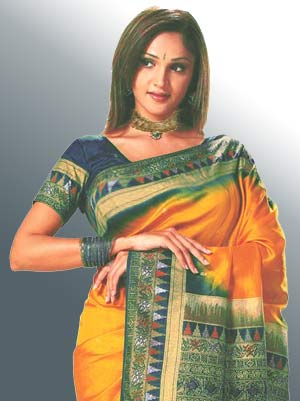
SAREE: Really a modest way of dressing?
Let us consider that a woman's attire is extremely provocative, culturally unacceptable and creates a 'cultural shock'. But do men have the right to touch that woman, pointing out her dressing? What empowers them to rape, molest and harass a women on the name of her dressing? Is it morally, ethically and culturally justifiable? Does such acts have any social or cultural sanctions or an element of our traditional practices? Can women rape or mug a rural man who is usually half-naked? People who point out women's dressing for all the crimes against women are directly or indirectly justifying those wicked conduct. Why no one is ready to question men's attitude towards women, who is always considered as a source of sexual pleasure? The ugly answer is more social, such a mentality is a direct mark of patriarchy and violence against women is an absolute feature of the patriarchal society. 

Every human beings have their own liberty to dress the way they wish and no one can take away their wishful right. No one has the right to strip a woman, rape her, molest her and do anything that ravage her dignity pointing out her attire. That is no way justifiable from any perspective. Even if she's naked or a sex worker. Not even her husband can do that. And justifying such crimes is even more sinful than the very act itself. But society always has some diktats or the other on all our dressings, which is inevitable and has certain latent functions too. But one need to understand the social injustice behind those norms and sanctions, and pathos tagged to it. Such wide prevalence of atrocities against women proves that our society is just camouflaged with the modern ideals and has not progressed in true sense. 

I do not completely rule out the fact that a woman's dressing provocates men. Nor I'll advise my sister to be more liberal to an extent in her dressing. Women's attire is not that valid and the only cause for all the crimes against them by men. By acknowledging such blames by few people who may have some hidden agendas, say for political mileage or self-defense, we miss out the real causes and factors underlying to it. Every social problems will have multiple root-causes and contributing factors, which needs to be addressed so as to improve the condition. Corporates do have a hand in setting trends on modern-day dressing, which is purely commercial and is a technique to increase their profits. Most of our women fall prey to that in the name of empowerment and excercising their liberty, which must be debunked. Unwanted cultural shocks can be avoided. It is nonsensical to say that women's safety lies in their own hands. As a community, we have to evaluate ourself on these issues and address the real concerns. Let us not forget that our patriarchal mindset towards our women and commodification of women as a source of sexual pleasure and insensitivity towards the unjust against them could say lot more about such issues. Gandhiji once said, 

"Of all the evils for which man has made himself responsible, none is so degrading, so shocking or so brutal as his abuse of the better half of humanity; the female sex (not the weaker sex)." 

Let our women live with dignity. 


Friday, November 25, 2011

மூடர்களாய் வாழ்கிறோமே??

"மிழனென்று சொல்லடா தலை நிமிரிந்து நில்லடா" என்று சொன்னான் புரட்சிக் கவி. ஆனால், ஒரு காரணத்திற்காக நான் தமிழன் என்று சொல்ல வெட்கப்படுகிறேன். நாம் அனைவரும் வெட்கப்பட வேண்டும். நம் மொழியையும் வரலாற்றையும் மறந்தமைக்காக. சமீபத்தில் வெளிவந்த 'ஏழாம் அறிவு' திரைப்படம் நம் சிந்தனையை மற்றொரு பரிமாணத்திற்கு எடுத்துச்செல்கிறது.

இயக்குனர் திரு. முருகதாஸ் சில பல ஆழ்ந்த கருத்துக்களை முன்வைக்க முயல்கிறார். அவர் போதிதர்மன் என்னும் ஒரு தமிழனின் வரலாற்றையும் அவரின் கலைத்திறமைகளையும் சரியாகக் காட்டியுள்ளாரா என்பது சந்தேகமே. எனினும், போதிதர்மன் என்பவரைப்பற்றிய புரிதல் மக்களிடம் வந்துள்ளது. அவரைப்பற்றி சிறிதும் அறியாதவர்கள் தற்போது அவரின் பெருமைகளைப்பற்றி அறியமுயல்கிறார்கள். அவரைப்போல் இன்னும் எத்தனையோ தமிழர்களை நாமும் நம் சமுதாயமும் மறந்திருக்கிறோம். உதாரணத்திற்கு நம் சமூகவியல் (Sociology) பாடங்களை எடுத்துக்கொள்ளுங்கள். நம் பண்டைத்தமிழ் இலக்கியவாதிகளான அகத்தியர், தொல்காப்பியர், வள்ளுவர் போன்றோர் கூறாத  சமூகவியல் சிந்தனைகளையா ஐரோப்பிய மற்றும் அமெரிக்க சிந்தனையாளர்கள் கூறிவிட்டனர்???

பல்லாயிரம் வருடங்களாக பிள்ளையார் முன் தோப்புக்கரணம் போட்டுக்கொண்டிருக்கிறோம் ஏன் எதற்கு என்று தெரியாமலே!! அதை "Super Brain Yoga" என்று Yale University School of Medicine உரிமை கோரியுள்ளது. அவர்களின் பலவருட ஆய்வின்படி தோப்புக்கரணம் மூளையின் ஆற்றலை அதிகரிக்கிறதாம். நம்  கோவில்களில் உள்ள நவகிரகங்களில் பெரியவர் வியாழன் (Jupiter) அல்லது குரு என்கிறோம். அதையேதான் அறிவியல் உலகம் நம் சூரிய குடும்பத்தில் பெரிய கிரகம் (Planet) ஜுபிட்டர் என்கிறது. சில ஆண்டுகளுக்கு முன்புதான் இத்தனை காலமாக நம்பப்பட்டு வந்த ன்பதாவது கிரகமான புளுட்டோ (Pluto) ஒரு குறுங்கோளாக (dwarf planet) வரையறுக்கப்பட்டது. மஞ்சள் காமாலை நோய்க்கு ஆங்கில மருத்துவத்தில் liv-54, 60 என்ற மருந்தைத் தவிர இன்று வரை வேறு இல்லை. அம்மருந்தானது நம் மண்ணின் மூலிகையான கீழாநெல்லியில் இருந்து செய்யப்படுகிறது. நம் தமிழ் மருத்துவத்தில் பல நூறு  வருடங்களாக  கீழாநெல்லியை உணவாக பயன்படுத்திவருகிறோம். அம்மை நோயுற்றவர்களுக்கு வேப்பிலை அடிப்பது மாரிம்மன்னுக்காகவா?? குழந்தைகளுக்கு கடவுளின் பெயரில் மொட்டையடித்தல், நெற்றியில் விபூதி பூசிக்கொள்ளுதல், வீட்டு வாசலில் கோலமிடுதல்.... இதிலெல்லாம் நம் கற்பனைக்கு எட்டாத பல அறிவியல் உண்மைகள் ஒளிந்திருக்கின்றன.

 உலகின் மிகத்தொன்மையான வாழும் மொழிகள் என்று மொழியியல் ஆய்வாளர்கள் கூறுவது தமிழும், சீன மொழியும்தான். அனால், சீன மொழி என்று ஒரு மொழி ண்மையில் இல்லை. அது மாண்டரின் (Mandrin) என்கிற பெரும்பாலான மக்கள் பேசக்கூடிய மொழியோடு ஏத்தாழ  ஐந்து ஆறு சிறு சிறு வட்டார மொழிகளையும் குறிக்கின்றது. எனவே, உலகின் மிகத்தொன்மையான வாழும் மொழி என்றால் அது தமிழாகத்தான் இருக்கமுடியும். அனால், இக்கருத்தை நம்முள் பலரே ஒத்துக்கொள்ள மாட்டார்கள்! கண்டுகொள்ள மாட்டார்கள்!

இன்னும் எத்தனை நாட்களுக்கு நாம் இப்படி மூடர்களாய் வாழப்போகிறோம்?? நம்மைப்பற்றி முழுமையாய் தெரிந்துகொள்ளாமல், நம்மை நாமே தாழ்த்திக்கொண்டு??? நம் தலைமுறையிர் முதலில் நமது மொழியையும் நமது போற்றத்தக்க கலாச்சாரத்தையும் வரலாற்றையும் கற்க வேண்டும். அவற்றை அறிவியல் நோக்கில் கற்க வேண்டும். எந்த ஒரு நாடும் மக்களும் அவர்களின் மொழியையும் கலாச்சாரத்தையும் வரலாற்றையும் விட்டொழித்து முன்னேற முடியாது. அதை நாம் சீனர்களின் வெற்றிச்சரித்தித்தில் காணலாம். இத்தருணத்தில் அவர்களிடமிருந்து நாம் கற்றுக்கொள்ளவேண்டியது ஏராளம்!

Tuesday, August 30, 2011

Classical Society

     "Future ages will wonder at us, as the present age wonders at us now", said an Athenian leader to his countrymen when Athens was at the heights of glory. The Greek, a magnificent civilization, flourished over 2,500 years ago in a rocky peninsula of Southern Europe. This civilization was popularly known as 'Classical'. Anything which serves as a model for others and sets standards for future is called as a 'Classic'. Thus, Greece was a model for other cultures during its times of glory. 

     The ancient Greeks set a classic example for excellence. They excelled in various fields such as Arts, Science, Literature, Politics, Philosophy, Architecture, theatre performances, music, etc. They dazzled the then known world with their magnificent achievements. In fact, this civilization has highly influenced the other civilizations such as the Roman and has an enduring effect on the lifestyle of the Europe and the entire world even today. The World's quest for democracy in the 20th and the 21st century is a standing testimony. The 'rule of citizens' or the Direct Democracy (what we would call today) is the legacy of their political system. 

     In fact, their thoughts ands ideals are woven into our modern lives and we owe the ancient Greeks a debt of gratitude for shaping our modern thoughts.