Wednesday, November 28, 2012

இரத்ததானம்: ஒரு விழிப்புணர்வு கட்டுரை

மு. பெரியசாமி


இரத்ததானம் செய்வீர்! உயிர் காப்பீர்!

பிறரின் இறப்பிற்கு கண்ணீர் கொடு! பிறரின் கண்ணீருக்கு இரத்தம் கொடு!

மனிதநேயத்தை சொற்களால் அல்ல இரத்ததானத்தால் வெளிப்படுத்துவோம் !

இது போன்ற வாசகங்கள் தொலைக்காட்சி விளம்பரங்களின் இடையே பிரபலங்கள் கூறுவதை நீங்கள் விரைவில் கேட்க நேரலாம் (அரசு விழிப்புணர்வு ஏற்படுத்துவதில் முனைப்பாய் இருந்தால்). ஏனென்றால் இரத்ததானத்திற்கான தேவை ஆண்டுதோறும் 5 சதவீதம் அதிகரித்துக்கொண்டே இருக்கின்றது. ஆனால் பல இடங்களில் பற்றாக்குறைதான்  மிக அதிகளவில் உள்ளது.

இரத்ததானத்திற்கு தடையாக பல்வேறு மூடநம்பிக்கைகள் நம் நாட்டில் பரவிக்கிடக்கின்றது. நான் எனக்கு நேர்ந்த ஒரு சம்பவத்தை இங்கு பகிர்ந்துகொள்ள விரும்புகிறேன். நான் எனது கல்லூரி மூலமாக முதல்முறையாக இரத்ததானம் செய்துவிட்டு வீடு திரும்பினேன். என் கையில் இருந்த பிளாஸ்திரியை(band-aid) பார்த்துவிட்டு எனது தாயார் காரணம் கேட்க, நானும் இரத்ததானம் செய்ததை கூறினேன். கச்சேரி ஆரம்பமானது! ஏன் இரத்தம் கொடுத்தாய்? என்னை கேட்காமல் ஏன் கொடுத்தாய்? என்று பல கேள்விகள். அடுத்த நாள் உறவினர்களிடம் இருந்து வசைகள் மற்றும் மிரட்டல்கள். அவர்கள் அனைவருக்கும் விளக்கம் கூறினாலும் அதை அவர்கள் ஏற்க விரும்பவில்லை. ஒவ்வொருவரும் புதுப்புது தவறான விளக்கங்களை கூறினார்கள்.

இதில் குறிப்பிட வேண்டிய இன்னொரு விஷயம் நடந்தது. எனது நெருங்கிய உறவினர் ஒருவரின் மகன் பன்னிரண்டாம் வகுப்பு அறிவியல் பிரிவு படித்துகொண்டிருக்கின்றான். அவன் என்ன கூறினான் என்றால், இரத்ததானம் திருமணத்திற்கு முன் செய்தால் உடல்நலக்கேடு ஏற்படும் திருமணத்திற்கு பிறகு செய்தால் பிரச்சனை இல்லை என்றான். இவ்வாறு இரத்ததானம் பற்றிய மூடநம்பிக்கை என்பது கற்றவர் கல்லாதவர் என்ற பாகுபாடு இல்லாமல் பலரிடம்  பரவிக்கிடக்கின்றது. ஆனால் இரத்ததானம் என்பது உடல்நலத்திற்கு கேடு விளைவிக்காத, பாதுகாப்பான செயல்பாடு ஆகும். அதை அறியாமல் தவறான நம்பிக்கைகளை கொண்டிருப்பதால் இந்தியா போன்ற வளரும் நாடுகளில் இரத்ததானம் குறைவாகவே உள்ளது.

உலக மக்கள் தொகையில் 15 சதவீதமே உள்ள உயர் வருவாய் நாடுகளில் 50 சதவீத இரத்ததானம் செய்யபடுவதாக உலக சுகாதார நிறுவனம் (WHO) கூறுகின்றது. நம் நாட்டில் இரத்தத்திற்கான தேவை 4 கோடி யூனிட் ஆனால் இருப்பதோ வெறும் 40 இலட்சம் யூனிட்தான் என ஒரு புள்ளி விவரம் கூறுகின்றது. இரண்டு நொடிக்கு ஒருமுறை யாரேனும் ஒருவருக்கு இரத்தம் தேவைப்படுகின்றது. நம்மில், சராசரியாக மூன்றில் ஒருவருக்கு வாழ்வின் ஏதோ ஒரு கட்டத்தில் இரத்தம் தேவைப்படுகின்றது. இரத்தம் கொடுக்க தகுதியானவர்களில் வெறும் 4 சதவீதம் பேர் மட்டுமே இரத்ததானம் செய்கின்றனர். இவ்வாறு இரத்த தானத்திற்க்கான தேவையை பல்வேறு புள்ளிவிவரங்களின் மூலம் அடுக்கிகொண்டே போகலாம்.

நம் நாட்டில் இரத்ததானம் செய்வதற்கு நீங்கள் 18 வயதை கடந்தவராகவும் 60 வயதிற்கு உட்பட்டவராகவும் இருக்க வேண்டும். உங்களது உடல் எடை 45 கிலோவிற்கு குறையாமல் இருக்க வேண்டும். உங்கள் இரத்தத்தில் ஹீமோகுளோபின் அளவு 12.5 கிராமிற்கு குறையாமல் இருக்க வேண்டும். மேலும் ஒரு சில குறிப்பிட்ட நோய்கள் கடந்த சில நாட்களில் இருந்திருக்ககூடாது. இதுபோன்ற சில அடிப்படை தகுதி உடையவராக நீங்கள் இருக்கவேண்டும். இவை அனைத்தையும் இரத்தம் கொடுப்பதற்கு முன் நீங்கள் பூர்த்தி செய்யும் படிவத்தின் மூலம் அறிந்துகொள்ள முடியும். பெண்கள் கர்ப்பமாக இருக்கும் காலம், குழந்தை பிறந்து தாய்ப்பால் கொடுக்கின்ற காலம் மற்றும் மாதவிடாய் நாட்களில் அதீத இரத்தப்போக்கு மற்றும் வலி இருக்கும்பொழுது இரத்ததானம் செய்யமுடியாது.மது அருந்திய மற்றும் புகை பிடித்த  அடுத்த 24 மணி நேரத்திற்கு இரத்ததானம் செய்யமுடியாது. மேலும் இரத்தம் கொடுப்பதற்கு 4 மணி நேரத்திற்கு முன்பு நன்றாக உணவு உண்டிருக்க வேண்டும்.


பொதுவாக இரத்ததானம் செய்ய நீங்கள் சென்றீர்களானால் முதலில் ஒரு படிவத்தை கொடுத்து பூர்த்தி செய்யச் சொல்வார்கள். அது உங்கள் உடல்நிலை சம்பந்தப்பட்ட விவரங்களை கோரும்  வினாக்கள் அடங்கிய படிவமாகும். பின்னர் உங்கள் எடை, இரத்த அழுத்தம் போன்றவற்றை பரிசோதிப்பார்கள். அனைத்து விவரங்களும் பெறப்பட்ட பின்னர் உங்களது முழங்கை மடிப்பில் சரியான நரம்பை கண்டறிந்து இரத்தம் எடுப்பதற்கான ஊசியை உட்செலுத்துவார்கள். அந்த இரத்தமானது சோடியம் சிட்ரேட், பாஸ்பேட், டெக்ஸ்ட்ரோஸ் போன்ற வேதிப்பொருட்கள் அடங்கிய நெகிழிப்பையில் செலுத்தப்பட்டு பாதுகாக்கப்படும். பொதுவாக 250 மிலி முதல் 450 மிலி வரை இரத்தம் எடுக்கப்படும். ஏதேனும் ஒவ்வாமை ஏற்படுகின்றதா என்பதற்காக 10 முதல் 20 நிமிடம் காத்திருக்கச் சொல்வார்கள் அப்போது புத்துணர்ச்சி அளிக்கக்கூடிய சில உணவு வழங்கப்படும். இரத்தம் அளித்த 1 மணி நேரத்திற்கு புகை பிடிக்ககூடாது, 4 மணி நேரத்திற்கு மது அருந்தக்கூடாது. கையில் ஓட்டப்படும் பிளாஸ்திரியை 4 மணி நேரத்திற்கு எடுக்கக்கூடாது.

இந்த இரத்தமானது 13 வகை சோதனைகளுக்கு உட்படுத்தப்பட வேண்டும். பின்னர் அந்த இரத்தமானது இரத்த சிவப்பு அணுக்கள் (RBC), இரத்த வட்டுக்கள் (Platelets), பிளாஸ்மாக்களாக  பிரிக்கப்பட்டு தேவைக்கேற்ப உபயோகப்படுத்தப்படுகின்றது. அதில் இரத்த சிவப்பு அணுக்கள் 35-42 நாட்கள் வரையிலும், இரத்த வட்டுக்கள் 5-7 நாட்கள் வரையிலும் பிளாஸ்மா ஒரு ஆண்டு வரையிலும் கெடாமல் பாதுகாக்க முடியும்.

இரத்தம் A, B, AB, O, என வகைப்படுத்தப்படும் என அனைவருக்கும் தெரியும். அதில் O  பிரிவு இரத்தம் தேவை மிகவும் அதிகமுள்ள வகையாகும். 'O-' பிரிவு "யுனிவேர்சல் டோனர்" என அழைக்கப்படுகின்றது. ஏனென்றால் இவ்வகை இரத்தம் அனைவருக்கும் பொருந்தும். ஆனால் இது இரத்த சிவப்பு அணுக்களுக்கு மட்டும்தான் பொருந்தும். பிளாஸ்மா என்று எடுத்துக்கொண்டால் 'AB+' தான் "யுனிவேர்சல் டோனர்" எனப்படும்.

நாம் தானம் செய்த இரத்தம் 4-6 வாரத்திற்குள் நம் எலும்பு மஜ்ஜை உற்பத்தி செய்துவிடும். ஆகவே  இரத்ததானத்தினால்  எந்த பாதிப்பும் ஏற்படாது. ஒரு சிலருக்கு மயக்கம் ஏற்படுவது போன்றவை ஏற்படலாம். மற்றபடி அது சாதரணமானதுதான். இரத்ததானத்தினால் உடல்நலத்திற்கு கேடு என்பதெல்லாம் ஆதாரமற்ற வாதங்கள்.

நம்மில் பலர் இரத்தம் என்பது விபத்து நேரத்தில் மட்டும்தான் பயன்படும் என்று நினைக்கின்றோம்.  ஆனால் அது உண்மையல்ல. இரத்தமானது இதய அறுவை சிகிச்சையின்போது , ஒருசில புற்றுநோய் சிகிச்சையின்போது , பிரசவத்தின் போது, உறுப்பு மாற்று அறுவை சிகிச்சையின்போது, என பல நேரத்தில் பயன்படுகின்றது. இதனால் நான் இறுதியாக குறிப்பிட விரும்புவது ஒன்றுதான்,

இரத்ததானம் செய்வீர்! உயிர் காப்பீர்!

Wednesday, November 07, 2012

Ideological Bias

Dhiyanesh Ravichandran.
  
     As a student of Sociology, I always wonder how my personal world views affect my perspective of looking at the same world, or for that matter, anything of social importance. When I study the increasing trend of product twins in our Indian car market, I invariably landed-up thinking that it is nothing but a cunning strategy of auto-makers to increase revenue by reducing the cost-per-unit due to common production. My notion that the corporates exploit people to amass profits applies here clearly. But I’m not sure of my causation and reasoning, because there are several other factors that I may have ignored. Though we like or not, we tend to use our ideologies or preconceived notions to comprehend things while studying them, which ultimately bias our study. The world views of individuals certainly affect their own perspectives of looking at the world.

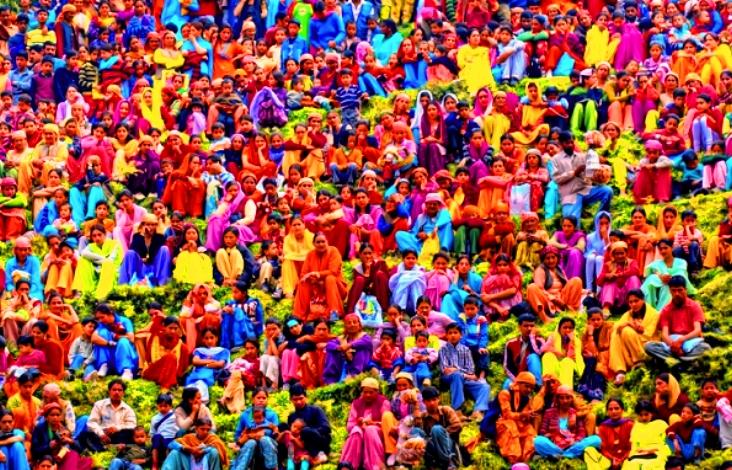
We may have different perceptions about people around us
     While analysing the ideological bias, to which every researcher is guilt of, it is imperative for us to unravel what an ideology is, what constitutes it and how it is formed. An Ideology is usually taken to mean, a prescriptive doctrine that is not supported by rational argument (D.D. Raphael: 1970). The word ‘prescriptive’ in the definition makes ideologies customary, which is based on or authorised by long-standing custom. It is a consistent set of ideas related to every aspects of society that is manifested by different sources of knowledge. Earl Babbie lists out some ten types non-scientific thinking – Knowledge based on tradition, authority, casual observation, over generalisation, selective observation, qualification, illogical reasoning, ego-defense, premature closure of enquiry, and mystification. Such a variety of sources help us formulate something called an ideology or ideologies, which differs from individuals ostensibly.

     Let us examine briefly how such manifestation of ideas that takes place every day within us, influence our understanding of the society. Experiences prevent us from seeing things, based on our assumption and confidence that we have a clear understanding of things. But reality is not just a thing ‘out there’, so that we can learn to perceive that objectively. All that’s “real” are the images that we got through our points of view. Put differently, there’s nothing “out there”; it’s all “in here” (Earl Babbie). Experiences and our ideas helps determine how we perceive reality – what patterns we see in analysis society and whether we are able to see patterns at all. Such experiences filter our perceptions of reality which, according to me, is one of the major problems of sociological research. How?

     Real life experiences and passion of sociologists motivate much research – defining the research problem, what are all the units to be analysed, what are all the evidences to be reviewed, formulating causal hypothesis, etc. Merton believes that the very choice of topic is influenced by personal preferences and ideological biases of the researcher. It is nothing but his values that help him decide which problems are worth investigating. “We choose to study only those segments of reality which have become significant to us because of their value relevance” says Max Weber. What is one’s outlook towards class, caste, race, gender, religion, etc.? Is he dogmatic or more liberal? Such values lead Sociologists and researchers to formulate and adopt favoured theories for interpreting and explaining causation and conclusion. Does he subscribe to the Functionalist school of thought or any other? Every sociological theory is produced by and limited to a particular group whose viewpoints and interests they represent. Thus formulation of hypotheses will automatically introduce a bias in the sociological research.

    Interpretations are also highly influenced by previous researches or theories on the same area. Sociologists consult earlier researches in order to find out what we already know and what is ought to be analysed? Sometime researchers adopt similar strategies or approach partly because of its familiarity. This sort of bias is prominent in physical sciences too. In astrophysical debates on the ‘Theory of everything’ in understanding the driving force of the universe, some scientists believe in the existence of some enigmatic dominant cosmic force called ‘dark energy’. Another school of scientists including world-renowned theorists Stephen Hawkins have spent years in disproving such forces. But there have been compelling evidences and findings which reveal the working of such enigmatic energy. This is a huge embarrassment for astronomers, who have long believed that the most important force in the cosmos is the same one that Isaac Newton supposedly saw pull an apple from a tree some 350 years ago – but no longer. Until this new breakthrough, researches and theories were based on the gravitational force hypothesis, but now it is a very different story.

     The methods that researchers use to gather data mold their perceptions – shape of their research tool often help to determine which bits of reality they dig up. Those methods influence the researcher’s accessibility to various aspects of reality. In case of interview as a technique the data may be influenced by context of the interview, the interaction of the participants, and participant's definition of the situation and if adequate rapport does not extend between them there might be communication barriers. Thus according to P.V Young, interviews sometimes carry subjectivity. Finally, it can also affect the field limitations as reported by Andre Beteille’s study of Sripuram village in Tanjore, where the Brahmins did not allow him to visit the untouchable locality and ask their point of view.

     The impact of ideological biases on sociological research can be very far-reaching as seen from the study of Tepostalan village in Mexico. Robert Redfield studied it with functionalist perspective and concluded that there exists total harmony between various groups in the village while Oscar Lewis studied this village at almost the same time from Marxist perspective and found that the society was conflict ridden. Subjectivity creeps in at different stages of their studies. It is impossible to ignore that their observations as unreal.

     Both objectivity and subjectivity play an important role in science and scientific research. The primary goal of a scientific investigation is objectivity. Since Sociology is a scientific endeavour, this applies in sociological research as well. Objectivity is a reality check or a frame of mind so that personal prejudices, preferences or predilections of the social scientists do not contaminate the collection of analysis of data. Thus scientific investigations should be free from prejudices of race, colour, religion, sex or ideological biases. Whereas, subjectivity leads us to define which aspects of reality are worth checking on in the first place. Emile Durkheim, in his ‘Rules of the Sociological Method’ states that “social facts must be treated as things and all preconceived notions about social facts must be abandoned”. According to Radcliff Brown, “social scientists must abandon or transcend his ethnocentric and egocentric biases while carrying out researches”. Similarly Malinowski advocated cultural relativism while anthropological field work in order to ensure objectivity.

     However, objectivity remains to be an elusive goal practically. It is important to recognise that almost all sociologists and their theories have an ideological bias. Anti-marxists reject Karl Marx as a sociologist because of his ideological orientation. This is as true for Auguste Comte, Herbert Spencer, Durkheim, Weber, and Simmel as it for Marx. George Ritzer clarifies that there is nothing called as a “value-free” sociological theory. In theorising about social phenomena, sociologists find it impossible to be completely neutral, and this remains true whether or not they are willing to recognise it or to admit it (Ritzer:1983). Marx simply made no effort to conceal the ideological character of his work, and is built into a the very structure of his theorising.

    In fact, a school of thought represented by Gunnar Myrdal asserts that “total objectivity is an illusion which can never be achieved”. All researches are guided by certain viewpoint, which involves subjectivity. Myrdal suggests that the basic viewpoints must be made clear. Further he feels that subjectivity creeps in at various stages in the course of sociological research.

     We can never perceive society in a pure or objective form. But what we can do is to minimise such bias by the use of certain techniques of data collection. Researcher can make their value preferences clear in research monograph. Various methods of data collection can be used and the results obtained from one can be cross-checked. Field limitations can be clearly stated in the research monograph. At the end of the day, the end results are more accurate perceptions of reality than relying exclusively on blind prejudices or common sense.

Friday, October 05, 2012

DECLINE OF DEMOCRACY IN INDIA

   
    The notion of democracy, unlike other forms of government, focuses much on the functions and values of the political system rather than the structure. This is the reason why many governments with varied political structures claim to be democratic. The ideas that form the basis of democracy are equality, fundamental rights, liberty and welfare of the people. Thus democracy is not just about universal suffrage, parliamentary legislation and judicial appraisal. While the existence of these institutions and processes will facilitate the safeguarding of values that constitute democracy, political systems like dictatorship and monarchy will undermine the values, at least, in a course of time.

      There is a general consensus among all social thinkers that there is a steady subversion in the democratic ideals as well as in democratic institutions in the countries that are said to be democratic. 

       In terms of quantity, that is, population, India, with no doubt, is the biggest democracy in the world. But if we analyze qualitatively, the scope of democracy in India is becoming smaller and smaller. Though India might have achieved an enduring electoral democracy, we fail to establish a sustainable functional democracy.

Declining democracy in India can be studied in two aspects.

         i ) Subversion of democratic ideals: Rapid increase in inequality, deprioritizing ‘welfare of the people’,  Government’s aversion towards farmers, neglecting poorer section of the society from policy making, privatization of natural resources, parallel economy, corruption, increase of arbitrariness and impunity, corporate owned media, corporate corruption, rapid privatization, environmental racism etcetera.

       ii) Misuse of democratic institutions: Vote-bank politics, increased corporate lobbying in politics, family politics, cash for votes, fake votes and other electoral frauds, culture of impunity etcetera.

    If we analyze empirically, we could establish a correlation between the above two aspects.

        Our Indian Constitution, especially Part III (Fundamental rights) and Part IV (Directive Principles), serves as an exemplary of democratic ideals that are needed to be followed to establish and ‘sustain’ a democracy. But none of the Directive Principles are followed by our policy makers and the scope of fundamental rights is diminished by continuous amendments.

Democracy has become a ‘nominal’ form of Government in India.

Wednesday, September 05, 2012

அடையாள நாள் அல்ல; இது ஒரு மகத்துவத் திருநாள்!

தியாநேசு ரவிச்சந்திரன் 

     இன்று ஆசிரியர்கள்  தினம்.  நம் ஆட்டோகிராப்பை சற்று திருப்பிப்பாருங்கள், நம் வாழ்வில் ஒளியை பரப்பிய நம் ஆசிரியர்களின் நினைவுகள் பல்லாயிரம்! ஆசிரியர் என்பவர் ஒரு மாணவனுக்குப் பாடம் சொல்லிவிட்டுப் போகிற நபர் அல்ல; அவனின் வாழ்கையையே தீர்மானிக்கிற ஆற்றல் படைத்தவர். எனக்கு நீண்ட காலமாகவே ஒரு கேள்வி சற்று புதிர்போல் விளங்காது நிற்கிறது. 'ஆசிரியர்' என்பது ஒரு பணியா? ஊழியமா?? அல்லது தொண்டா??

  இக்கேள்வியை ஆசிரியர்களிடம் கேட்டால் தொண்டு அல்லது சேவை என்பார்கள்! ஏன்? அவர்களுக்கு உதியம் என்றொன்று உண்டு, ஆனால் அவர்களின் பணிக்கு அது ஈடாகும் என்று சொல்லமுடியாது. நம் பண்பாட்டில் ஒரு வழக்கம் உண்டு. மாதா, பிதா, குரு, தெய்வம் என்று. இதில்  தெய்வத்தை விட்டுவிடுங்கள், அது நம் பார்வையில் வராது. ஆனால், நாம் 'குரு' என்பதை மாத-பிதாவிற்கு நிகராக வைத்திருக்கிறோம். ஒரு தாய், நான் ஆறு வருடங்களாக ஏன் பையனுக்கு தாயாக வேலைபார்க்கிரேன் என்று ஒரு பொழுதும் கூற மாட்டாள். எந்த தகப்பனும் என் மகளுக்கு தந்தையாக பல்லாண்டு காலம் பணிசெய்து கொண்டிருக்கிறேன் என்று சொல்ல மாட்டான். எப்படி தாய் தந்தை ஒரு குழந்தைக்கு உறவுமுறையோ, அதேபோலத்தான் ஆசிரியரும். அது அக்குழந்தையின் வாழ்நாள் முழுவதும் தொடரும் பந்தம். 

    எனவே அப்படி ஒரு புனிதமான உறவுமுறை என்று சொல்லும்பொழுது, ஒவ்வொரு மாணவனையும் தங்களது பிள்ளைகளாக ஆசிரியர்கள் நினைக்க வேண்டும். தன்னிடம் படித்த மாணவன் தோல்வியுற்றான் என்றால் (பாடத்திலும் வாழ்க்கையிலும்) , ஆசிரியர்கள் வருத்தப்பட வேண்டும்; பொறுப்பேற்க வேண்டும். இன்றைய காலகட்டத்தில் ஆசிரியர்கள் அவ்வாறு இருக்கிறார்களா என்பது கேள்விக்குறியே. வெறும் பாடம் நடத்துவது மட்டும் அவர்களின் கடமையல்ல. ஏனெனில், அவர்களின் பங்கானது மாணவர்களின் வாழ்கையை மட்டும் தாக்கப்போவதல்ல, அவர்களின் வருங்கால தலைமுறையும் தான். இதை ஆசிரியர்கள் உணர வேண்டும்.

   சென்னை உயர்நீதிமன்றத்தில் ஒருமுறை இந்துக்கள் சட்டம் (Hindu Law) தொடர்பாக வழக்கு ஒரு நடந்துகொண்டிருந்தது. அப்போது நீதியரசர் முன் அந்த வழக்கை ஒரு மூத்த வழக்கறிஞர்  நடத்திக்கொண்டிருந்தார். அவர் மிக வயதானவர்; மிக மிக மெதுவாக நிதானமாக ஜவ்வைபோல் இழுத்து இழுத்து, கருத்துக்கள் எல்லாம் நன்கு விளங்கும்படி தன வாதங்களை முன்வைத்துக்கொண்டிருந்தார். பொறுமை இழந்த நீதியரசர், சற்று வேகமாய் வழக்கை முடிக்கும் எண்ணத்தில் அவரைப் பார்த்து, "உங்கள் வாதங்கள் புரிகின்றன, நீங்கள் அடுத்த விஷயத்திற்கு போலாம்" என்றார். அப்போது நிமிர்ந்த பார்வையுடன்  நகைத்த அந்த வழக்கறிஞர் நீதிபதியைப் பார்த்து, "மை லார்ட், நீங்கள் சென்னை சட்டக்கல்லூரியில் படிக்கும்பொழுது இந்துக்கள் சட்டத்தில் எத்தனை மதிப்பெண் வாங்கினீர்கள்  என்று  நினைவிருக்கிறதா??" என்று வினவினார். ஒரு நீதிமன்றத்தில் அப்படியெல்லாம் நீதிபதியைப் பார்த்து ஒரு வழக்கறிஞர் கேள்வி கேட்க முடியாது. உடனே அந்த அமர்விலிருந்த மற்றொரு நீதியரசரிடம் தான் அந்த பாடத்தில் தவறியதை சற்று தயக்கத்துடன் சொன்னார். அப்போது சிரித்துக்கொண்டே அந்த வழக்கறிஞர், " ஐயா, நான் அதை கல்லூரியில் நடத்தும்போது தங்களுக்குப் புரியவில்லை அதனால்தான் இப்போதாவது சற்று புரியும்படி உங்களுக்கு நடத்த முயன்றேன்" என்று வேடிக்கையாய் சொன்னாறாம். அந்த வழக்கறிஞர் தான் அந்த நீதிபதியின் கல்லூரி ஆசிரியர். ஒரு ஆசிரியரைத்தவிர வேறு யாராவது அந்த இடத்தில் அப்படி உரிமையுடன் பேச முடியுமா??

   பள்ளி கல்லூரிகளிலெல்லாம் இன்றைக்கு ஆசிரியர்கள் தினம் என்ற பெயரில் நிறைய சடங்குகளெல்லாம் நடக்கும். ஆனால் இத்திருநாளில், ஒவ்வொரு மாணவனும் (மற்றவர்களும்  தான்) தங்களது ஆசிரியர்களின்  பங்கை உணர வேண்டும். அவர்களின் ஊக்கமே நம்மை இத்தனை காலமும் அழைத்துவந்துள்ளது என்று புரிந்துகொள்ள வேண்டும். ஆசிரியர்கள், தங்களின் உண்மையான கடமையை உணருதல் அவசியம். நீங்கள் ஒன்னும் விற்பன்னர்கள் இல்லை, உங்களின் அறிவை பணத்திற்கு விற்க; நீங்கள் பணி செய்வதில்லை, ஊதியதிர்கேற்ப வேலை பார்பதற்கு. நம் வாழ்வில் நினைவுபடுத்தப்படுகிற, நம்மை ஊக்கப்படுத்திய  நம் ஆசிரியர்களெல்லாம் ஏதோ ஒரு வகையில் ஒரு சராசரி ஆசிரியரைப்போல் இல்லாமல் வேறுபட்டிருப்பார். ஆசிரியர்கள் பொதுவாக அப்படி இருப்பதில்லை என்பது சற்று வருத்தமே. இந்நாளானது, ஆசிரியர்களுக்கான அடையாள நாளல்ல, ஆசிரியத்தின் மகத்துவத்தை அனைவரும் புரிந்துகொள்ளும் திருநாள்! ஆசிரியர்களுக்கு என் நல்வாழ்த்துக்கள்...

Sunday, August 05, 2012

Should there be a diktat on dressing??


 Dhiyanesh Ravichandran.

A mob of over 20 men dragged a 16-year old girl by her hair into one of the busy city roads of Guwahati, tried to rip off her clothes, yanked up her vests and tugged at her bra, groped her breasts as she begged for help from passing cars. They who sexually abused and mugged her publicly, smiled at the cameras which filmed the whole episode and the cameras panned up and down her body focusing on her breasts and thighs as if they were intentional (maybe!!) and hit the TV sets after few hours with no qualms of media ethics.  And the CM's office and the National Commission for Women (NCW) panel went further in abusing by revealing the victim's identity and then apologising for their mistakes latter. The NCW chairperson latter commented in a statement that women should be “careful about the way they dress because such incidents are a result of blindly imitating the West” and the Chief Minister of Madhya Pradesh saying that the women should follow Indian culture in their dressing and behaviour, all humiliating and degrading our womenfolks. The distressing incident and the controversies that followed up, all hint one thing in common. It's nothing but the insensitivity that we, the people and our system shows on the status of our women and while dealing with the crime against them. India is one of the worst places in the world for the women to live I presume regretfully.

The Guwahati girl molestation case is quite shocking, but it happens everywhere all over the country and  there is nothing novel about it. Infact, this case has proved that the north-eastern states are no exception to such crimes against women. But cunningly, people in power, fundamentalists, and others who couldn't assimilate the sorry state of affairs blame the victims themselves, by pointing out women's dressing which provocates men to commit such crimes. By 'provocative dressing' they grossly mean all the dresses which are not in consonance with our traditions and culture, or to be much more exact, all the dresses from the western world. First of all, it is highly subjective to define socially acceptable dressing, since India is a dynamic multi-cultural or heterogenous society. We have nothing like a 'static' culture or tradition - cultures differ from place to place, traditions of Tamil nadu greatly vary from that of Assamese. A typical Tamil woman's attire may not get the consent of a marathi tribe, and we all know that the dressing of North-east people especially women are totally different to the rest, which would be unacceptable in the so called Indian 'mainland'. Social Anthropologists can say that the present-day saree and a salwar kameez is a derivative of several cultures and practices through ages, as a result of cultural interactions. And also, there is nothing concrete called a 'Western culture' and the influence of other cultures on our behaviour is not new to the present world and is a universal phenomenon.
There is nothing called a 'static culture'.

Does a girl's dressing really provocates or sexually allures men? Maybe. But is it a valid cause to such extent that men couldn't control lust and commits heinous crimes like what our country has reported all these days?  I certainly have reservations to that. Such people say that a 'provocative dresss' is anything which shows a great deal of a women's body and structure. The degree of the so-called 'provocativeness' is also contexual to one's own culture. A jeans with a full-hand kurti covers almost all the parts of a girl's body from wrist to ankles, but may not get a cultural sanction like a traditional saree, which is more liberal comparingly. A women in bikini in the beaches of Goa may not be sexually stimulative for the beach hawkers, but a women in burqa, face veiled and hands gloved with only visible eyes, can be seductive and become prey to men. There have be instances where a 70 or 80 year-old women in burqa were raped and molested in India, it would be ridiculous to say that one's attire is the major or only reason for all such crimes. Even the NCW's statistics disprove the myth. Can anyone claim that all the women who are 'careful' about the way they dress are safe at our streets?

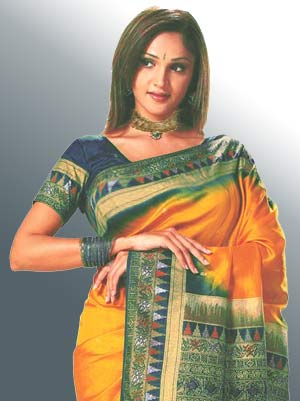
SAREE: Really a modest way of dressing?
Let us consider that a woman's attire is extremely provocative, culturally unacceptable and creates a 'cultural shock'. But do men have the right to touch that woman, pointing out her dressing? What empowers them to rape, molest and harass a women on the name of her dressing? Is it morally, ethically and culturally justifiable? Does such acts have any social or cultural sanctions or an element of our traditional practices? Can women rape or mug a rural man who is usually half-naked? People who point out women's dressing for all the crimes against women are directly or indirectly justifying those wicked conduct. Why no one is ready to question men's attitude towards women, who is always considered as a source of sexual pleasure? The ugly answer is more social, such a mentality is a direct mark of patriarchy and violence against women is an absolute feature of the patriarchal society. 

Every human beings have their own liberty to dress the way they wish and no one can take away their wishful right. No one has the right to strip a woman, rape her, molest her and do anything that ravage her dignity pointing out her attire. That is no way justifiable from any perspective. Even if she's naked or a sex worker. Not even her husband can do that. And justifying such crimes is even more sinful than the very act itself. But society always has some diktats or the other on all our dressings, which is inevitable and has certain latent functions too. But one need to understand the social injustice behind those norms and sanctions, and pathos tagged to it. Such wide prevalence of atrocities against women proves that our society is just camouflaged with the modern ideals and has not progressed in true sense. 

I do not completely rule out the fact that a woman's dressing provocates men. Nor I'll advise my sister to be more liberal to an extent in her dressing. Women's attire is not that valid and the only cause for all the crimes against them by men. By acknowledging such blames by few people who may have some hidden agendas, say for political mileage or self-defense, we miss out the real causes and factors underlying to it. Every social problems will have multiple root-causes and contributing factors, which needs to be addressed so as to improve the condition. Corporates do have a hand in setting trends on modern-day dressing, which is purely commercial and is a technique to increase their profits. Most of our women fall prey to that in the name of empowerment and excercising their liberty, which must be debunked. Unwanted cultural shocks can be avoided. It is nonsensical to say that women's safety lies in their own hands. As a community, we have to evaluate ourself on these issues and address the real concerns. Let us not forget that our patriarchal mindset towards our women and commodification of women as a source of sexual pleasure and insensitivity towards the unjust against them could say lot more about such issues. Gandhiji once said, 

"Of all the evils for which man has made himself responsible, none is so degrading, so shocking or so brutal as his abuse of the better half of humanity; the female sex (not the weaker sex)." 

Let our women live with dignity. 


Friday, August 03, 2012

Socio13's ' Discussion Table ' resumed vibrantly


The first Socio13 discussion table of this year was conducted on 2nd August 2012, Thursday at MRF Hall, Loyola College. The topic of the discussion was "Should there be a diktat one's dressing?". Mrs.Claramma Jose, Dept. of English, Mr. Gowthaman, Dept. of Sociology and Mrs. Vallary Patrick of School of Human Excellence department attended and adorned the event. A general discussion was carried out initially about the molestation of a teenage girl by a mob of 15-20 in Guwahati, Assam three weeks ago. There were heated arguments about the labeling of some dresses as 'provocative' and others as 'socially accepted'. Mrs.Vallary Patrick spoke about the culture's influence on our dressing. Mrs. Claramma Jose delineated how the power vested with the men pave way for the subjugation and oppression of women when men try to shield their power within themselves. She also spoke about the male chauvinism and the biased human society all over the world. Mr. Gowthaman gave the sociological aspect of the problem and concluded the discussion. The first year students' active participation was admiring. All the Socio13 readers are welcome to attend the discussion tables which are held at Loyola College, Chennai.

Monday, July 23, 2012

Multicultural Urban India: Challenges to Family Living

Dr. S. Albones Raj


     One of the assertions, indeed a fait accompli, which have the least risk of being contested, is that multi-culturality has been an abiding character of Indian society. Advocates for cultural pluralism and cultural homogeneity abound and - highly polemicized issues as they are – had given rise to a welter of ‘theories’ of cultural nationalism and hegemony. On the other end of the continuum are several students of social philosophy for whom pluralism and modernity (or even post-modernity) are coterminous (Giddens 1996, Oomen 1985). Monism - for all its irrepressible appeal to laymen of social sciences - is a much debunked stream of thought in epistemology and in sociology proper. As an epistemological framework, monism and its variants have little use in a “Science” which seeks to problematize social reality.  Phenomenology and its sociological version – symbolic interactionism – share the distaste for monism, more specifically to the reductionist and the determinist variety. As evidenced in Sociology of the family – a branch of sociology devoted to the study of family and also in cultural studies, monism is perceived to be a sterile approach with little substantive dividends to offer. Both esoteric and lay literature on Indian society hold cultural pluralism to be a predominantly an urban trait and this is also reflected in the encounterist semiotics of city-dwellers. Thus many families in urban India keep discovering the diversity of the urban mosaic and respond to the same in a uniquely selective fashion – a thesis akin to that of Ishwaran (1975). The Urban family in India is no single entity; it is at best a pattern of patterns. The urban family is undoubtedly under pressure from various quarters and forces, some of which are cultural, while others are politico-economical. Some of them are exogenous and others stem from within. Interestingly enough, the urban family faces the challenge of demand for change even while it faces the challenge of identity-retention. This paper seeks to identify and classify these factors and, so in doing, attempts to lay the foundation for a quasi-grounded and middle-range theory of family transition in urban India. This article makes no claim to being the last word in sociology of family. Nonetheless, this article seeks to raise certain substantive issues and, in the process, to indicate the future directions which research on family could profitably take. The paper admittedly takes the methodological stand of the classical sociologists, but does not seek to challenge the post-modernist attempts on this area of inquiry.

Sociology of Family: An Overview
Sociologists’ romance with family dates back to Auguste Comte, who essayed to relate the changing forms of family to the evolutionary transition of societies from theological thinking to positivistic thinking. Comte’s singular quest for an ‘elixir’ for re-building families in his blue-print for social re-construction has indeed made scholars to credit him to have been the first social philosopher for bringing family to the centre stage of sociological discourse (Comte 1986). Early anthropologists Morgan(1943) and Taylor (1945) - through their largely speculative, albeit seemingly historical, analysis – initiated a debate on the origin and development of patriarchal -monogamian family.  Peter Murdock perhaps was the first anthropologist to grapple with the conceptual issues related to family and proposed that family was a cultural universal, despite the interesting variety which it exhibits (1949). Engels (1972) and Zeretksy (1976) made a valiant attempt to advance a politico-economic explanation and thus tracing its origin to the rise of private property in the true Marxian tradition. The first inkling of a political sociology of family could be discerned in the writings of these Marxian scholars. Parsons, Bales (1955) and Anshen (1959) ventured into a functionalist treatment of family and they proffered a spirited defense of the nuclear family as the most appropriate and functional form for an industrialized society. Although the views of the American functionalists gave rise to a hitherto unsettled polemic on the reported relation between the type of family and the concept of modernity, they did manage to highlight the macro forces at work, shaping the destiny of family as an indispensable social group. Goode, an archetypal macro-sociologist, evinced keen interest in socio-historical inquiry on family and the changes it witnessed on account of revolutions which swept societies at different points in time. This classical study, described by many as an important corner-stone in the field of historical sociology, is also an important treatise on social change (1963). 

     Three broad yet important trends, which could be discerned from the scholarly preoccupations beginning from 60s and 90s in Euro-American societies, are the specific focus on family structure in ethnic communities and migrants, a gendered approach to family and the tacit acceptance of empiricism as the most valid approach to the study of family. Emergence of criminal subcultures, which was presumed to be the causa prima for the anomie ‘let loose on the society’, exercised the attention of American scholarship on family. These studies shed useful light on the pattern of socialization at home and in the community. The parent-sibling interaction and the role of peer group had claimed much space in their rather elaborate description of the family unit (Silva and Smart, 1999, Purdy 1967, Barret and McIntosh 1982, Herskovits 1968, Leibow 1967, Hannerz 1969, Smith 1962, Lewis 1959). Black studies in US and ethnographic studies of Indian families also belong to this broad genre of studies. Gough’s study on Nair families of Kerala, however, stands out prominently from the rest for the strident attempt it makes to redefine matrifocality (Gough 1958).The gender perspective sought to challenge what then was called as “stereotyped assumptions and conceptions” about family, and made a strong plea for re-defining family and an equi-gendered social order. Attempts to trace sexual exploitation of women to the patriarchal family structure and to the gender-specific socialization imparted at home, highlighted as to how the subjugative culture is sustained and reproduced.  Gender studies – initially handicapped by its own cloistered approach, because of its historical affinity with feminism, but later on widened its scope to include homosexuals and transgender in its ambit – wisened up to the problems and issues of all sexually marginalized sub-groups and communities (Calhoun S 1997, Calhoun C 1997, Siba and Smal l 1971, Laing 1971, Delphy and Leonard 1992, Abbot and Wallace 1992, Jenness 1971, Benston 1972, Gonzlez 1970, Sheeran 1993). Durkheimian strain of empiricism has been firmly on the sociological saddle in the domain of family research. However, historical researches of the Weberian variety also vie for space. Compilatory works, which seek to collate piecemeal investigations on family across cultures have also bourgeoned. Morgan’s published works on family (1975, 1995), besides offering a large spectrum of insights, represent a broad theoretic framework on family. Goode’s work on world revolutions and their impact on family also belongs to this class of empirical investigations on family. Conceived in qualitative terms, Laing’s study of family and insanity has also contributed richly to the corpus of knowledge on family, especially when faced with a crisis. The Indian academic scenario had, by and large, the same set of concerns and issues as their cognitive epi-center. However, ethnographic portraits of family by anthropologists demarcated them starkly from a largely survey-oriented sociology conférer.  

Indian scholarship on Family:
An overwhelming number of Indian scholars had chosen to study family in 50s and 60s, nonetheless scholars from the West have also enriched this field with their own insights. K.N.Kapadia introduced family studies to the Indian academia in early 50s. His pioneering and generic work on family, marriage and kinship opened up new vistas for sociologists and anthropologists in India. He saw a triangular relationship amongst the three. As a leading culturologist of his time, he premised his analysis with the conviction born of field observations that family could not be studied in isolation. Exemplifying this approach, his work Family, marriage and kinship served as a source book on Indian family for many students of Indian family. D’Souza’s work on Mother-right families(1959)   in Konkan coast and in Kerala illumined the transition witnessed in two communities, namely,   Navayats and Moplahs.  Close on the heels of Kapadia’s work, Ross and I.P Desai published their observations on Indian joint family. While Ross drew largely upon his American experiences and his short exposure to Russian family, I.P Desai  and contended that  the criteria of nuclearity and joint-ness need to be revisited in the light of fresh evidences and presents strong case in favor of joint family being the predominant form in Indian cities. Iravati Karve’s work on Kinship system in India highlighted, inter alia, the broad principles governing the kinship system in India. She attempted to situate the Indian family in a broader framework of kinship network. She saw continuities and discontinuities in Indian family system. Raman Unni and Fr.Puthenkalam S.J had attempted to highlight the unique features of families in South-West region. Unlike the approach of Kathleen Cough, they took upon the task of bringing out the variety which characterized the families in this part of India. Fr.Puthenkalam , to his merit, sought to highlight the structure of Christian families in Kerala. 

     M.S Gore set the mood for many scholars India, wanting to study the impact of urbanization on family.  M.S.Gore articulated what has long been hypothesized by many. To him, the urban family in India has its own dynamics and joint families are not only found in urban India but also found to thrive by reinventing itself. However, he concurred with his contemporaries that urban families exhibit an amazing variety and are structurally and functionally different from those found in rural India. Striking a concordant note with M.S.Gore, Morrison and Nimkoff identified some of the fundamental problems a student of Indian family face in conceptualizing family in the Indian context. Realizing the need for systematizing and codifying the study of Indian families, Khatri sought to embark upon an ambitious epistemological project on codifying knowledge vis-à-vis  the methodological approaches employed by scholars in India and abroad.  A theme dearer to Gore was taken by Sudha Kaldat, namely, urbanization and its impact on family. Edwin Driver chose to study the family structure in one of the biggest tribal belts of India, namely, Central India. Vasanth Pethe was a keen student of the inner dynamics of Indian family. The life cycle approach adopted by him brought him closer to Mandlebaum, who expatiated a similar approach to Indian family in his book, society in India. The advantage of such an approach is the opportunity it offers to take a closer analytical view of the natural changes to which the Indian family is subjected. Concerned about the increasing number of divorces and family disorganization, Fonseca, a Sri Lankan scholar elected to study the same in India. This task of his was guided by a fairly documented fact that many Asiatic societies and their experiences in this sphere of social life are similar, if not identical. That Christianity would have meant radical changes to the traditional Indian joint families was a theme of investigation for Panos Bardis.  Bardis did not find any traces of significant impact on the family structure. He observed that Christianity managed to touch only the peripheral aspects of Indian family, leaving the core more or less intact. Kanti Pakrasi investigated the impact of involuntary migration on the family structure among refugees in West Bengal . Involuntary migration tends to uproot families and in innumerable ways it does alter the structure and organization of the family. Some of the changes are so far-reaching that present structure has no resemblance to what it was once -  before the forced migration.